
Disclosure: Buytoplab is reader-supported. If you buy through links on this page we may earn a small commission at no extra cost to you. We never accept payment for a ranking or a review, and we publish the downsides as plainly as the upsides. How we rank products.
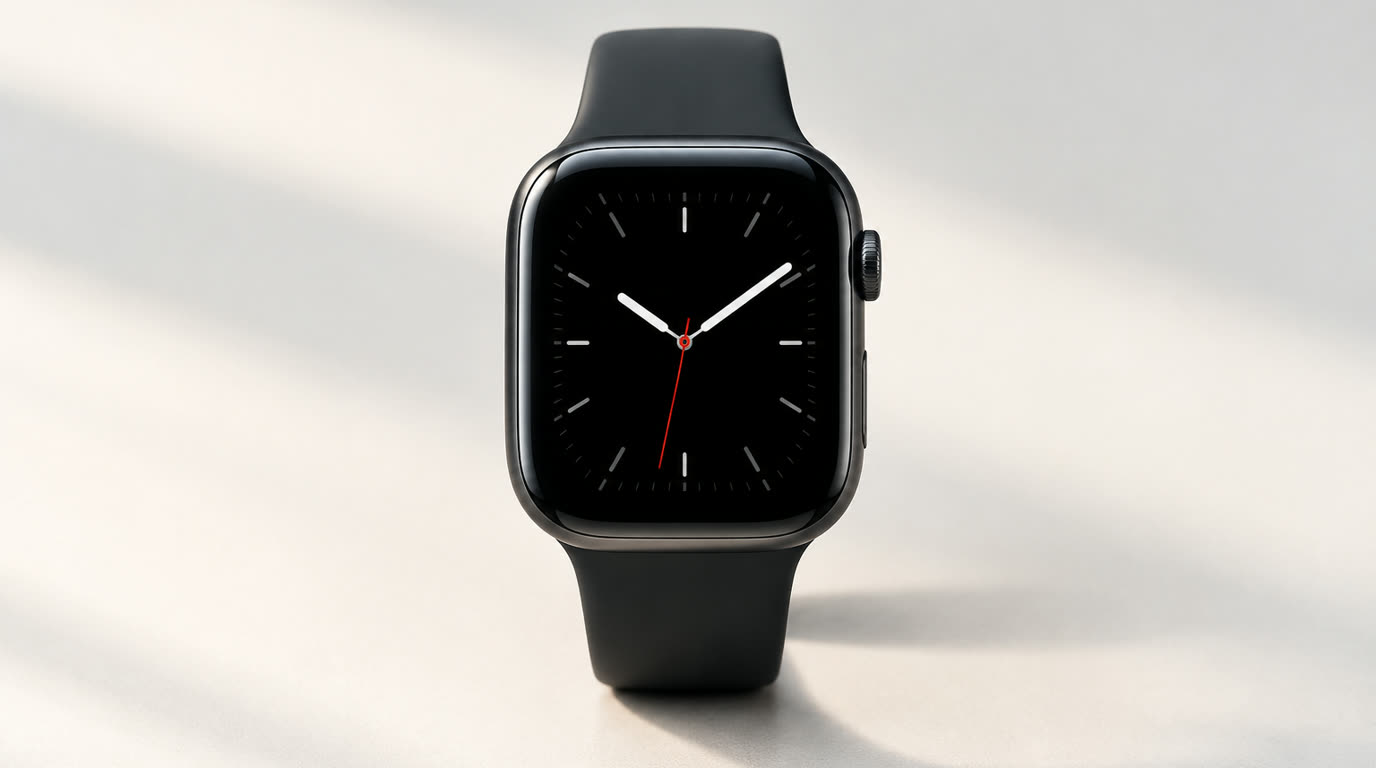
Spend this, not more: $200-300 buys an AMOLED display, real GPS, accurate heart-rate tracking and two-day battery life. Above $450 you add LTE, sapphire glass and the brand premium. On Android, a $250 new model usually beats a two-year-old flagship.
Quick answer:
- Best for iPhone: Apple Watch SE 2 (~$250) – the 90% Apple Watch: same OS, great sensors, no always-on display
- Best for Android: Samsung Galaxy Watch 7 (~$280) – bright AMOLED, solid fitness, Wear OS that pairs cleanly with any Android phone
- Best battery: Garmin Vivoactive 5 (~$300) – up to 11 days, superb sleep and training metrics, no subscription for the deep data
- Best budget: Amazfit GTR 4 (~$160) – AMOLED, GPS, days of battery, honest fitness tracking for the price
How much should you spend? $200-300 is the value zone: bright OLED + real GPS + everyday battery life. Under $150 you usually trade away accurate heart-rate and GPS. Over $500, you pay for LTE, sapphire and brand.
First: Answer These 3 Questions
- Do I need LTE? Only if you leave your phone behind on runs and need calls. LTE drains battery and costs $10/mo; most people connect the watch to their phone Bluetooth anyway.
- Will a smartwatch work with my phone? Apple Watch only pairs with iPhone. Samsung and Wear OS pair well with Android; many older Android watches with other phones drop notifications and struggle.
- Is the battery really a selling point? The single biggest daily complaint is charging. A 2-day watch tolerated over many years beats a 1-day watch with better sensors you constantly charge.
5 Checks Before You Buy
| Check | Target | Plain English |
|---|---|---|
| Display | AMOLED, always-on option | A dim LCD screen is a deal-breaker at arm’s length in daylight. |
| GPS | Built-in multi-band | Phone-free GPS matters for runners and cyclists. Wearables without it cheat distance tracking. |
| Battery | 2+ days typical | Under 2 days and the watch lives on the charger more than your wrist. |
| Heart-rate accuracy | Optical array w/ decent algorithm | Interval workouts expose bad optical sensors; running and HIIT users should read reviews. |
| OS + app | Your phone ecosystem | Watch compatibility is like buying a charger: match it to your phone first. |
2026 Top Picks (By Specs, Owner Reports & Price, Not Paid Placement)
Apple Watch SE 2 – Best for iPhone
Price: ~$250
Why: The full watchOS experience, crash detection, fall detection and solid fitness tracking at half the flagship price. Best value for iPhone owners.
Honest take: The pick most iPhone users who skip the guilt of a $800 watch choose. Downside: No always-on display and no fast-charge ceramic back.
Samsung Galaxy Watch 7 – Best for Android
Price: ~$280
Why: A radiant AMOLED, clean Wear OS with Samsung Health, and sleep/fitness tracking that respects your data. The Android counterweight to the Apple Watch.
Honest take: The honest Android-first recommendation when OnePlus and Pixel square off. Downside: Battery is a 2-day watch that Samsung’s own fast charging keeps alive.
Garmin Vivoactive 5 – Best Battery
Price: ~$300
Why: Up to 11 days between charges, a premium sleep-tracking suite and free deep training metrics that others lock behind subscriptions.
Honest take: The endurance-first buy that outlasts every flagship in this field. Downside: No LTE and the app is denser than casual users want.
Amazfit GTR 4 – Best Budget
Price: ~$160
Why: AMOLED, dual-band GPS, a week of battery and solid accuracy for a fraction of flagship prices. The honest value watch.
Honest take: The budget pick that quietly outperforms watches twice its price. Downside: The app and third-party app library feel more limited than the majors.
One-Line Decision Table
| Your situation | Pick this |
|---|---|
| iPhone owner, want the classic Apple experience | Apple Watch SE 2 |
| Android phone, want bright display and clean pairing | Samsung Galaxy Watch 7 |
| Sleep and training data, hate charging daily | Garmin Vivoactive 5 |
| Tight budget, need the core features | Amazfit GTR 4 |
Running Costs: What You Pay After You Buy
The purchase price is only part of the story. Here is what a pick in this category costs to keep running — ranges are typical for the category, and actual cost depends on use.
| Item | What it is | How often | Typical cost |
|---|---|---|---|
| Charging cable | Proprietary cables are the #1 replacement purchase | Every 12-18 months | $20-40 |
| Sapphire glass repair | Cracked sapphire is pricey | Rare | $60-120 |
| LTE plan | Only if you buy the cellular model | Monthly | $10/mo |
Skip It If… (When Buying Nothing Is the Right Call)
This is the section most buying guides leave out. If any of these describe you, the honest advice is to keep your money.
- You only want step counting – a $30 fitness band does it with a week of battery.
- You run marathons – a Garmin Forerunner maps, paces and recovers better than a general smartwatch.
- You hate the idea of charging nightly – pick a watch with 2+ days of real battery.
Sources & Data
This guide uses official specifications, published results from named review bodies and long-term owner reports. Featured sources (verified 2026-09-23):
- RTINGS TV Reviews – independent laboratory measurements (peak brightness, input lag, HDR)
- RTINGS Headphones – independent audio measurements (frequency response, noise isolation)
- RTINGS Mice – independent gaming-mouse measurements (latency, weight, sensor)
- RTINGS Monitors – independent monitor measurements and recommendations
- RTINGS Home – independent lab tests across home electronics
- TechPowerUp GPU Specs – database of official GPU specifications
- SoundGuys – audio hardware testing and measurements
- What Hi-Fi Best Buys – independent audio/tv testing and awards
Table sizes, wattage and prices change; verify current specs at the manufacturer before you buy.
FAQ
Which smartwatch is best value Apple Watch SE 2 for iPhone and Samsung Galaxy Watch 7 for Android; Amazfit GTR 4 for the strictest budgets.
Is Apple Watch only for iPhone Yes, Apple Watch requires an iPhone for pairing. Android users should look at Wear OS (Samsung/Galaxy) watches.
Should I buy LTE Only if you regularly run or bike without your phone. LTE adds cost and cuts battery; Bluetooth pairing meets most needs.
How often do smartwatches charge Flagship Apple/Samsung watches run about two days; Garmin and Amazfit range from 7-14 days depending on use.
Real Pitfalls to Avoid
- Buying a watch before checking phone compatibility – the biggest returns come from pairing failures.
- Ignoring battery life – a one-day watch becomes a constant chore.
- Paying flagship prices for features you never use – LTE and sapphire are luxuries, not necessities.
Going deeper: See our how we rank products for the method, or keep your wearables powered up with our best portable power banks guide.
Update note: refreshed quarterly. Prices checked Sep 2026 – verify at checkout. Rankings based on published specifications, published review-body scores and long-term owner reports, not paid placement.